

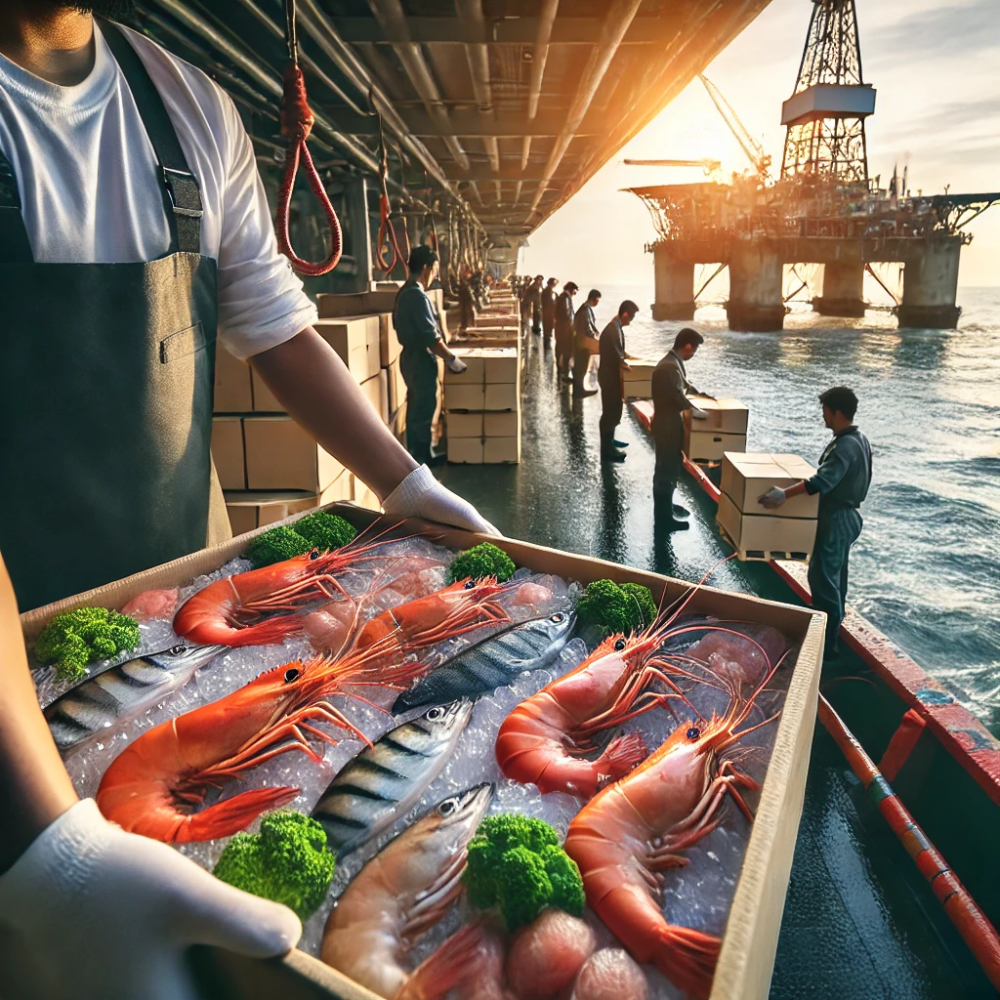
Logistical Excellence in Harsh Environments: The Role of Offshore Catering Companies
Operating a remote offshore asset requires masterclass precision across engineering, safety, and human resource management. Oil rigs, deep-water drillships, and offshore wind platforms function as self-sustained industrial outposts where crews endure extended, high-intensity shifts under extreme weather conditions. Amid these harsh operational challenges, maintaining high crew morale and physiological well-being is heavily dependent on food quality and hospitality standards. Meeting these daily living needs far from land falls on specialized logistics providers. Understanding the complex operations of an offshore catering company provides insight into how robust nutrition and hospitality are safely delivered to remote maritime structures.
The Complex Operational Landscape of Marine Catering Services
Providing comprehensive marine catering services at sea involves far more than preparing meals; it is a high-stakes, end-to-end industrial logistical operation. Offshore facilities operate twenty-four hours a day, meaning galleys must run continuously to support shifting crew rotations. Every meal must balance high caloric needs with precise nutritional value, keeping teams properly fueled to execute dangerous physical tasks in freezing North Sea environments or high tropical humidity.
The Impact of Isolation on Food Storage and Preservation
Unlike shore-based operations that rely on regular daily deliveries, an offshore facility must remain fully functional for weeks at a time using its onboard provisions. This reality places intense emphasis on safe storage systems. Walk-in freezers and chillers must operate with zero downtime, and dry storage areas require constant monitoring to prevent humidity from spoiling flour, grains, and dry ingredients. Sourcing teams plan menu cycles dynamically around raw ingredient shelf-lives, ensuring fresh produce is utilized efficiently before transitional menus shift toward frozen and shelf-stable goods.
Adapting Culinary Operations to Severe Sea Conditions
Galley design on an active maritime platform must account for constant physical motion. Heavy sea swells can create stability challenges for heavy kitchen gear, requiring specialized mechanical clamps, deep-sided cooking wells, and marine-spec safety guards to shield catering teams from burns or accidents. Kitchen personnel are fully trained in emergency platform protocols and safety measures, functioning as an integrated part of the installation's core emergency response team.
Evaluating and Selecting Reliable Offshore Suppliers
A successful remote hospitality strategy depends heavily on the initial links of the maritime procurement chain. Because platforms cannot quickly handle missing stock or incorrect orders, choosing competent offshore suppliers is a vital strategic decision for energy operators.
Quality Assurance and Strict Temperature Management
The journey of an offshore delivery begins long before it is loaded onto a supply vessel. Reliable logistics management requires an unbroken cold chain from the initial production farm to the dockside. Top-tier providers use advanced refrigerated containers fitted with continuous digital temperature loggers. This technology creates a complete validation trail showing that meats, dairy products, and temperature-sensitive goods remained well within safe thermal thresholds during cross-country transport, preventing premature spoilage or bacterial risks.
Adhering to Global Standards and Certifications
Excellent sourcing partners maintain robust compliance records across recognized international management systems. Key criteria include:
-
ISO 22000: Verifying strict, structured food safety management from warehouse processing to final delivery.
-
ISO 9001: Confirming reliable, highly repeatable quality control across large procurement orders.
-
HACCP Protocols: Ensuring systematic preventative audits protect against potential food contamination vectors.
Supply Chain Mastery and the Last-Mile Delivery Challenge
The final transit leg from a coastal consolidation port to an active offshore installation represents the most challenging phase of the entire supply chain. It requires synchronized coordination among warehouse managers, ship operators, crane handlers, and platform crew members.
Synchronizing Maritime Logistics with Weather Windows
Delivery schedules to remote ocean assets are tightly bound to changing weather environments. Heavy fog, massive ocean swells, and high gale-force winds can rapidly close down safe operations, forcing cargo ships to wait out storms or return to port. Experienced offshore catering companies address these unpredictability factors by holding safety stock buffers on the asset. This ensures that even if a delivery window is missed by a week due to unsafe seas, the platform's kitchen can continue serving full-variety meals without facing immediate food scarcity.
Executing Safe High-Sea Cargo Transfers
When a supply vessel pulls alongside an energy platform, the unloading process requires exceptional precision. Cargo is packed into specialized, weather-sealed marine containers that are lifted directly from the ship's deck up to the platform using heavy-duty platform cranes. Catering teams must unpack these containers immediately, moving refrigerated items straight into structural chillers to prevent thermal shock in warm outdoor conditions. This process requires rapid teamwork to minimize crane operational time and ensure materials are stowed safely.
Cultivating Crew Well-Being and Diverse Hospitality Practices
Modern offshore facilities house diverse, multinational workforces with varied dietary preferences, cultural backgrounds, and religious requirements. Meeting these varied expectations is a core responsibility for professional catering crews.
Balancing Diverse Cultural and Dietary Demands
Experienced galley teams design weekly menus that offer a wide selection of authentic international cuisines, ensuring every crew member finds familiar comfort food. This includes preparing verified Halal meats, catering to strict vegetarian and vegan preferences, and accommodating food allergies with gluten-free or dairy-free variations. Providing this level of care helps minimize feelings of isolation during multi-week hitches at sea.
Fostering Community Spirit through Specialty Dinners
The mess room serves as the central community space on a lonely offshore platform, offering workers a vital mental break from intense industrial tasks. Catering providers leverage this by organizing themed food nights, holiday feasts, and special culinary celebrations. Transforming a standard mealtime into a shared community experience helps reduce daily work stress, strengthens interpersonal team bonds, and improves long-term crew retention rates for energy companies.
Frequently Asked Questions (FAQs)
What primary functions does an offshore catering company perform?
An offshore catering company manages the complete hospitality ecosystem on remote marine installations. This includes long-term menu planning, nutritional tracking, international raw ingredient procurement, deep-sea cold chain logistics, onboard meal preparation, and daily janitorial and housekeeping services for crew accommodations.
How do offshore suppliers protect the cold chain during rough sea transits?
Sourcing specialists utilize specialized, heavy-duty marine refrigerated containers equipped with autonomous cooling systems and digital tracking sensors. These containers maintain steady interior temperatures regardless of outside weather changes and are built to handle the physical shocks of marine transit and crane lifting operations.
Why are hospitality standards so critical to offshore crew retention?
Offshore personnel work long, demanding shifts in high-stress, isolated environments. High-quality meals and clean living spaces offer essential physical recovery and mental comfort, serving as a primary driver for overall station morale, team productivity, and employee retention.
What emergency protocols do marine catering services maintain for supply delays?
Providers manage emergency food cushions on every platform, typically maintaining a rolling 10-to-14-day supply of dry, frozen, and shelf-stable ingredients. This safety margin ensures the installation remains fully self-sufficient even if extreme weather completely prevents supply transport arrival.
How do galley teams manage food allergies and diverse cultural diets at sea?
Onboard teams utilize advanced digital menu systems to pre-track the specific dietary profiles of the incoming crew rotation. This allows chefs to run separate, isolated preparation lines for allergen-free, vegetarian, or Halal meals, ensuring full compliance with medical and cultural requirements.