


The International Safety Management (ISM) Code is a mandatory regulation under SOLAS Chapter IX, created by the International Maritime Organization (IMO). It provides a structured framework for managing ship safety and environmental protection through a Safety Management System (SMS).
How AVS Global Ship Supply supports ISM-aligned procurement
ISM Code procedures connect maintenance needs with documented procurement and delivery records. AVS Global Ship Supply covers 1,500+ ports in 126 countries and supports technical requirements through its technical services. For critical spares and safety equipment, send maker, model, part number, quantity and required documents with vessel name, port and ETA. Record approved specifications and substitutions, plus delivery acceptance, in your SMS workflow.
Historical Context
- Introduced in response to high-profile maritime accidents in the 1980s and 1990s.
- Adopted by IMO in 1993; mandatory implementation under SOLAS Chapter IX began on July 1, 1998, with further vessel categories phased in later.
- Under SOLAS Chapter IX, international application covers passenger ships, together with specified cargo ships and mobile offshore drilling units of 500 GT and above, on international voyages. National requirements may extend the scope.
Key Purpose
- Ensure safe operation of ships and pollution prevention.
- Establish a documented SMS onboard and ashore.
- Define responsibilities between the ship and shore-based management.
Core Components of the ISM Code
The 12 Implementation Elements of the ISM Code
| Element | Purpose |
|---|---|
| 1. General | Scope and definitions |
| 2. Safety and Environmental Protection Policy | Management commitment to safety and pollution control |
| 3. Company Responsibilities and Authority | Defined responsibilities, authority and shoreside support |
| 4. Designated Person(s) Ashore | Link between ship and shore, with access to the highest level of management |
| 5. Master’s Responsibility and Authority | Onboard authority and accountability |
| 6. Resources and Personnel | Competency and training |
| 7. Shipboard Operations | Procedures and instructions |
| 8. Emergency Preparedness | Contingency planning |
| 9. Reports and Analysis of Non-Conformities, Accidents and Hazardous Occurrences | Incident reporting and investigation |
| 10. Maintenance of the Ship and Equipment | Planned and preventive maintenance |
| 11. Documentation | Controlled documentation and data retention |
| 12. Company Verification, Review and Evaluation | Internal audits and review |
These are the implementation elements in Part A. Certification and verification are addressed separately in Part B. The ISM Code text sets out the responsibilities, maintenance requirements and documentation controls.
Sections 10 and 11 are directly relevant to technical supply records. The company identifies equipment whose sudden failure could create a hazardous situation, establishes reliability measures and maintains maintenance records. Its documentation procedures control relevant information, approved changes and obsolete documents.
Benefits and Challenges of ISM Code Implementation
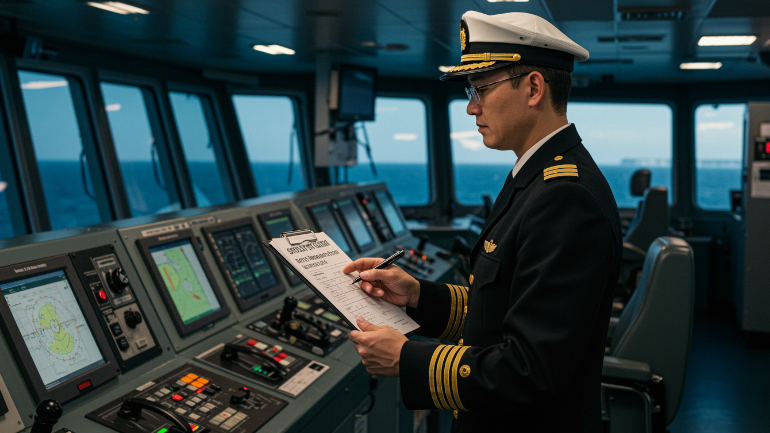
Strategic Benefits
- Risk Reduction: Standardized procedures reduce the likelihood of incidents.
- Documented Evidence: Records help demonstrate how procedures were implemented and how identified issues were addressed.
- Operational Control: Better oversight of crew competency, equipment, and documentation.
- Global Consistency: Common framework for multinational fleets.
Operational Challenges
- Documentation Overload: Managing logs, manuals, and updates can burden crews.
- Crew Buy-In: Inconsistent understanding or training may hinder adoption.
- Audit Pressure: Both internal and external audits require continuous readiness.
ISM Code in Daily Ship Operations
Use Cases for Ship Supply and Technical Management
Scenario 1: Ensuring Lifesaving Equipment Compliance
- Lifeboats, immersion suits, and fire extinguishers must be inspected and documented under the SMS.
- Specify applicable product documentation and coordinate delivery dates with the vessel’s maintenance and inspection needs.
Scenario 2: Integrating with Planned Maintenance Systems
- Plan spare parts procurement against the vessel’s planned maintenance needs and any corrective work identified through the SMS.
- Review technical compatibility and required documents before acceptance; record installation and testing through the applicable maintenance procedures.
Scenario 3: DPA-Linked Incident Reporting
- If an oil spill occurs, the DPA is notified through the SMS, and reporting procedures are activated.
- Supply teams should ensure pollution control kits are readily available and documented.
Best Practices for ISM Code Compliance

1. Align Procurement with SMS Requirements
Ensure all equipment supplied is:
- Supplied with the certificates or approvals required for that product, where applicable
- Traceable through documentation
- Delivered with the instructions, identification and service information required for the item
2. Train and Empower the Crew
- Regular onboard drills based on SMS emergency plans
- Ensure understanding of reporting lines and documentation flow
3. Conduct Internal Audits Ahead of External Inspections
- Identify non-conformities in advance
- Use digital tools to streamline logbook and inventory checks
The ISM Code links safe ship management with defined responsibilities, maintenance procedures and controlled records. Technical procurement contributes useful evidence when the requested specification, supplied item and receiving records can be followed through the company’s procedures.
Product supply and the vessel’s subsequent maintenance activities should be documented at the appropriate stages. The company and shipboard personnel remain responsible for applying the SMS and verifying the work performed.
FAQ: ISM Code and Technical Supply
What is a Safety Management System under the ISM Code?
A Safety Management System is the documented framework through which a company implements its safety and environmental protection policy. It defines responsibilities, operating procedures, reporting, emergency preparedness and verification. For technical supply, the relevant company procedures determine how maintenance needs, purchasing decisions and receiving records are handled.
Which records help connect technical procurement with the SMS?
Useful records can include the requisition, approved specification, supplier quotation, purchase order, relevant product documents, delivery note and receiving check. Link them to the equipment or maintenance task where your procedures require it. Keep procurement evidence and the subsequent installation, inspection or testing records together within the company’s controlled documentation system.
What should buyers specify when ordering critical spare parts?
Identify the vessel and equipment, then provide maker, model, part number, technical specifications, quantity, delivery port and ETA. State the required product documents and any restrictions on alternatives. The company determines equipment criticality through its SMS; proposed substitutions should be reviewed by the responsible personnel before acceptance.
How can AVS support technical supply within an SMS workflow?
AVS Global Ship Supply supports technical requirements through its service offering and a network covering 1,500+ ports in 126 countries. Share the requisition and required documentation when requesting a quotation. Coordinate receiving checks and acceptance with the vessel’s responsible personnel so the supply records can support the company’s maintenance and documentation procedures.