 Global:
x

About Us
AVS has led maritime supply, catering, and logistics for 39 years, serving seafarers globally. Our reach spans 1,500+ ports in 126 countries, committed to excellence, innovation, and sustainability. We aim to surpass client expectations, making their challenges our mission.
Partner with AVS, where fast, efficient and reliable maritime solutions is our priority.
About UsContact Info
- Soganlik Yeni Mah, Pamukkale Sk. No:2, 34880, Kartal, Istanbul, Turkiye
- +90 216 591 0849
- info@avsglobalsupply.com

Your global ship supplier
operating worldwide.
Fresh Water Supply for Vessels: Why Many Fleets Are Rethinking Their Water Strategy

ship supply
- Date: 13 Feb 2026 13:45
- Author: AVS Editor Staff
Fresh Water Supply for Vessels: Why Many Fleets Are Rethinking Their Water Strategy
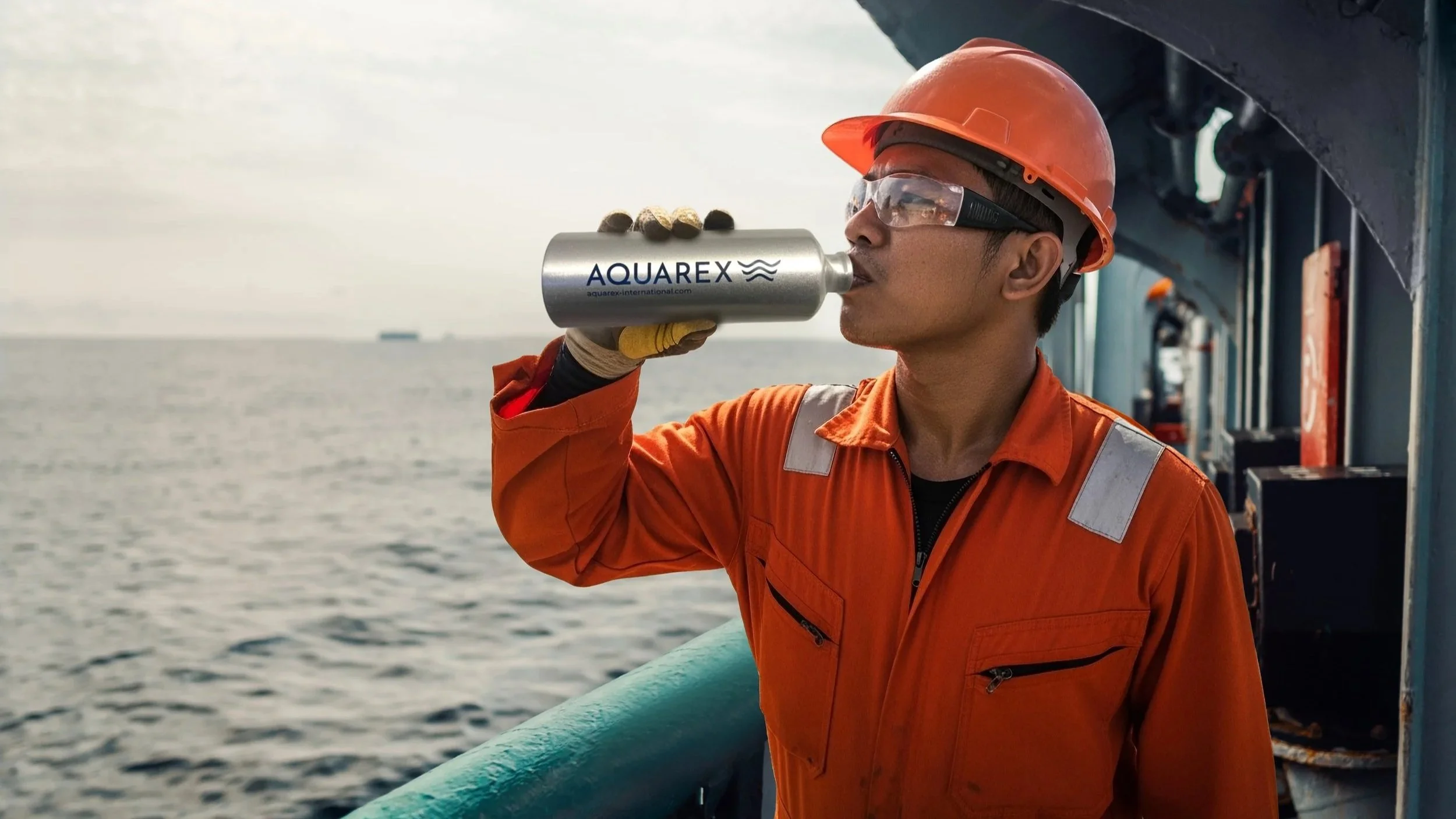
Fresh Water Supply for Vessels: Why Many Fleets Are Rethinking Their Water Strategy
Fresh water supply is a routine but critical requirement for vessels operating globally. Traditionally, ships rely on port connections, barge delivery, or repeated bottled water procurement to ensure potable water availability onboard.
However, for ship management companies and procurement teams, fresh water supply is more than a routine service — it is a recurring operational expense, a logistics dependency, and an increasingly visible sustainability issue.
As global fleets look to reduce costs, improve onboard quality consistency, and strengthen ESG performance, many are beginning to ask a new question:
Is there a smarter alternative to recurring fresh water supply at ports?
How Fresh Water Supply Traditionally Works
Vessels typically obtain potable water through:
-
Port-side connection systems (where infrastructure permits)
-
Water barges or trucks
-
Bottled water procurement for crew consumption
When searching for “fresh water supply in Paranagua” or “potable water supply for vessels in Singapore,” procurement teams are usually looking for:
-
Immediate availability
-
ETA-based delivery
-
Compliance documentation
-
Cost efficiency
While this traditional approach is operationally necessary, it also creates long-term challenges.
The Recurring Cost of Fresh Water Supply
For fleet operators managing multiple vessels across regions, fresh water supply becomes a recurring line item in operational expenditure.
Key cost drivers include:
-
Volume required per call
-
Frequency of port calls
-
Bottled water consumption per crew member
-
Storage logistics onboard
-
Plastic waste handling
-
Quality variability leading to higher bottled consumption
While the per-call cost may appear manageable, the cumulative annual expense across an entire fleet can be significant.
In addition to financial cost, repeated reliance on bottled water introduces storage limitations, increased waste generation, and environmental reporting pressure.
The Hidden Risk: Dependency on Port Infrastructure
Fresh water supply at port is dependent on:
-
Infrastructure availability
-
Local potable standards
-
Delivery logistics
-
Operational time windows
-
Port congestion
Variability between ports such as Paranagua, Rotterdam, Gibraltar, or Asian hubs can affect consistency.
For procurement departments, this means uncertainty in both cost predictability and quality assurance.
As sustainability regulations tighten and reporting becomes more detailed, bottled water procurement and repeated supply logistics are increasingly scrutinized.
Why Fleets Are Exploring Alternatives to Port Fresh Water Supply
Instead of relying solely on recurring fresh water supply, many ship management companies are exploring ways to reduce dependency.
The objective is not to eliminate fresh water intake entirely, but to:
-
Improve onboard potable quality consistency
-
Reduce bottled water procurement frequency
-
Lower plastic waste generation
-
Decrease recurring operational cost
-
Strengthen ESG reporting metrics
This shift represents a transition from reactive supply coordination to proactive water management.
Onboard Water Filtration as a Strategic Alternative
Modern water filtration systems for vessels are designed to:
-
Improve potable water quality
-
Reduce reliance on bottled water
-
Provide controlled onboard distribution
-
Support crew welfare
-
Lower long-term procurement costs
For procurement teams evaluating fleet-wide efficiency, onboard filtration offers an alternative approach to repeated supply logistics.
Instead of managing water as a recurring supply event, fleets can manage water as an onboard resource.
A Sustainable Alternative: Aquarex Water Filtration System
Through its partnership with Aquarex, AVS Global provides water filtration solutions designed specifically for maritime environments.
The Aquarex Water Filtration System enables vessels to:
-
Reduce bottled water dependency
-
Improve onboard potable quality
-
Decrease plastic waste generation
-
Lower recurring procurement exposure
-
Strengthen sustainability performance
By reducing the need for continuous bottled water supply, fleets can significantly cut long-term costs while improving environmental impact metrics.
For vessels trading worldwide, this creates a practical alternative to repetitive fresh water supply logistics.
Comparing Traditional Supply vs Onboard Optimization
| Factor | Traditional Port Supply | Onboard Filtration Alternative |
|---|---|---|
| Recurring Cost | Ongoing per port call | Initial installation + reduced recurring cost |
| Bottled Water | High dependency | Significantly reduced |
| Plastic Waste | High | Reduced |
| Port Variability | Dependent on local infrastructure | Controlled onboard |
| ESG Impact | Higher footprint | Improved sustainability profile |
For procurement teams, this comparison is not about replacing fresh water intake entirely — it is about optimizing long-term operational strategy.
Fresh Water Supply Searches Reflect a Changing Market
When procurement professionals search for:
-
fresh water supply for vessels
-
potable water supply at port
-
vessel water supply cost
-
fresh water supply in Paranagua
They are often responding to immediate operational needs.
However, increasingly, these searches are also followed by broader questions:
-
How can we reduce recurring bottled water costs?
-
Is there a more sustainable approach?
-
Can onboard systems improve cost predictability?
This shift indicates that water management is moving from operational necessity to strategic optimization.
ESG and Sustainability Pressure in Maritime Operations
Environmental reporting standards are evolving.
Plastic waste reduction, sustainable procurement, and carbon footprint considerations are now part of corporate performance metrics.
Repeated bottled water procurement contributes to:
-
Increased plastic waste
-
Higher logistics emissions
-
Storage inefficiencies
Onboard water filtration systems provide measurable improvements in sustainability indicators, supporting both internal reporting and external ESG commitments.
Is Onboard Water Optimization Right for Your Fleet?
Procurement and purchasing teams should evaluate:
-
Annual bottled water expenditure
-
Frequency of fresh water supply per vessel
-
Plastic waste disposal volume
-
Crew consumption patterns
-
Long-term sustainability goals
In many cases, fleets discover that onboard water optimization reduces both cost and operational complexity over time.
Moving From Recurring Supply to Long-Term Efficiency
Fresh water supply at port will remain part of vessel operations. However, complete reliance on recurring supply and bottled water procurement may no longer be the most efficient approach.
By integrating onboard filtration technology, fleets can:
-
Reduce operational dependency
-
Improve water quality consistency
-
Lower long-term procurement cost
-
Strengthen sustainability positioning
Explore a Smarter Alternative
If your procurement team is evaluating fresh water supply cost, bottled water dependency, or sustainability improvements across your fleet, it may be time to consider a more strategic water management approach.
AVS Global, in partnership with Aquarex, provides maritime-focused water filtration solutions designed to reduce recurring dependency on bottled water and optimize onboard potable management.
Learn more about the Aquarex Water Filtration System and how it can support your fleet’s long-term operational efficiency.

Published by
AVS Editor Staff
Bilinmiyor

Contact Us