

 Global:Global:
The Persian Gulf stands as one of the most strategically significant and logistically dense marine environments in the world. As a primary global artery for energy extraction and maritime trade, the region demands flawless logistical synchronization to sustain its vast network of oil rigs, drilling platforms, and deep-water production facilities. Operating within this high-intensity sector requires an intimate understanding of shifting marine variables, port infrastructures, and specialized transport configurations. Within this complex regional framework, specialized marine assets provide the essential life-support and technical links required to keep offshore operations functional. Examining the daily execution of these operations highlights how fluid resource distribution and high-performance fleet coordination maintain continuity across the region's busiest offshore sectors.
The industrial infrastructure expanding across the waters of the United Arab Emirates depends completely on a dedicated fleet of support ships. Managing these assets falls onto specialized offshore supply vessel companies in uae, which engineer custom transport workflows to handle the continuous flow of heavy machinery, specialized crews, and vital provisions from coastal production hubs out to remote maritime positions.
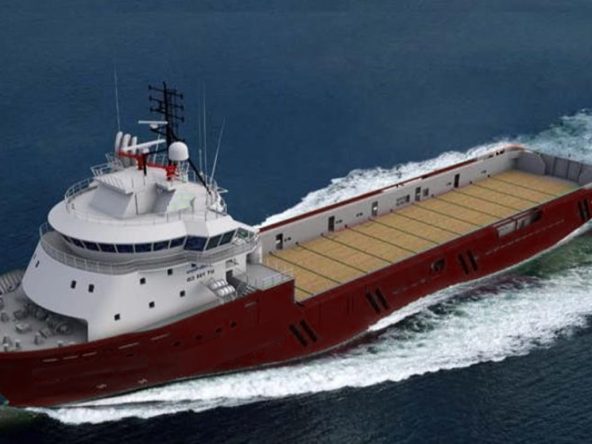
Sustaining deep-water infrastructure requires a highly diverse mix of ship designs, each optimized for specific operational tasks. Anchor Handling Tug Supply (AHTS) vessels provide the massive towing power and winching capabilities needed to position and lock massive drilling rigs in fluctuating sea states. Concurrently, fast crew supplier ships manage rapid personnel transfers, ensuring that engineering technicians and platform crews shift safely between land bases and installations. Platform Supply Vessels (PSVs) function as the primary cargo carriers, utilizing expansive open deck spaces and specialized under-deck bulk tanks to transport drill pipes, liquid mud, and dry bulk cement.
Operating in the waters of the UAE requires compliance with rigorous safety benchmarks established by local energy companies and federal authorities. Support vessel operators must maintain strict compliance with the International Safety Management (ISM) Code, alongside the rigorous audit frameworks of the Offshore Vessel Management and Self Assessment (OVMSA) program. These measures guarantee that mechanical backup assets, crew training programs, and emergency responsive protocols are meticulously kept at peak readiness, completely eliminating operational risks during high-risk offshore cargo transfers.
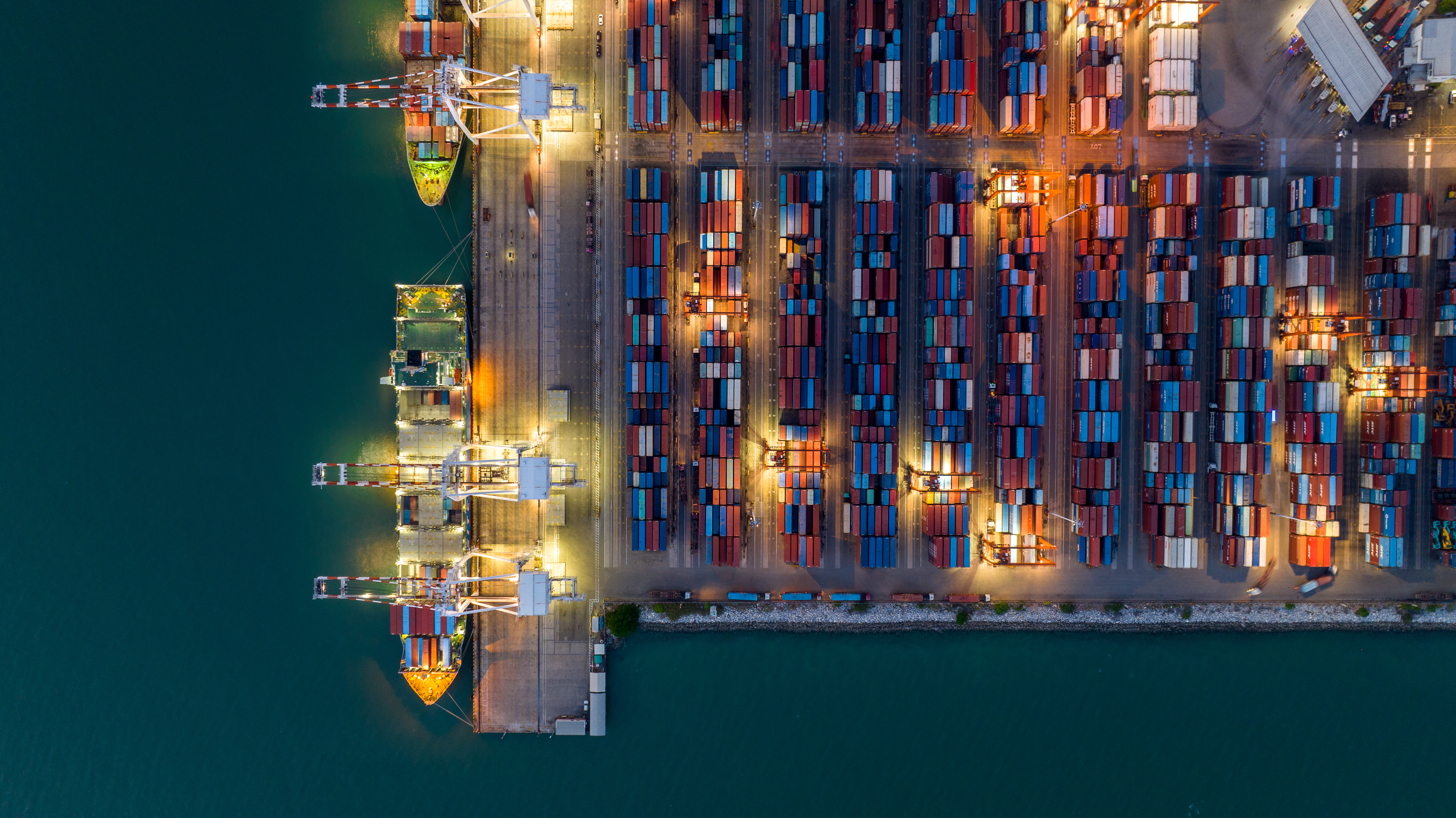
The efficiency of marine supply lines is measured by the turnaround times achieved at key regional ports and offshore holding areas. These marine crossroads serve as essential staging grounds where long-haul merchant fleets and regional technical craft synchronize their logistical schedules.
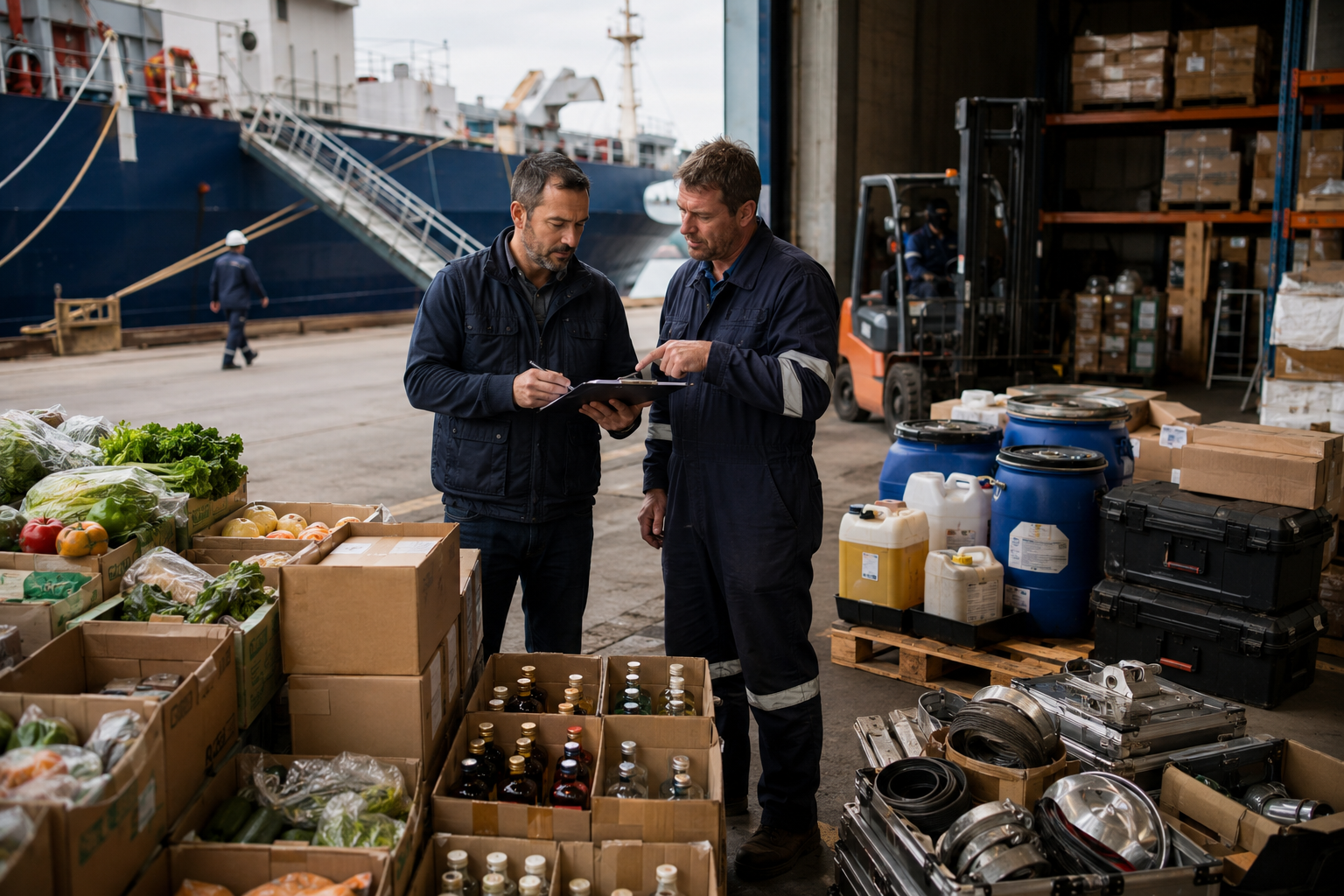
When international vessels approach major maritime corridors, they rely on a reliable network of certified offshore suppliers to handle their immediate technical and living requirements. Efficient procurement specialists integrate data systems directly with ship owners, tracking arrival windows down to the hour. This precision allows logistics providers to aggregate diverse IMPA-coded machinery components, marine coatings, and certified provisions at a centralized onshore warehouse before transporting the consolidated cargo out to high-traffic open-water coordinates.
While heavy machinery and technical components dominate engineering discussions, the most vital link in marine life-support systems remains the continuous distribution of pure, consumable water. In high-temperature coastal environments, a specialized fresh water supply vessel functions as a lifeline for thousands of offshore workers.
Transporting thousands of tons of potable water across coastal routes requires exceptional asset management. Supply vessels utilize dedicated, food-grade coated tanks or specialized stainless-steel storage holds that undergo regular inspection and sanitization. Sourcing teams use inline ultraviolet (UV) sterilization arrays and strict chlorination monitoring to ensure water meets international World Health Organization (WHO) safety standards upon delivery. This preventative engineering eliminates the risk of waterborne illnesses that could instantly compromise a remote platform's operational workforce.
Pumping fresh water from a moving supply vessel up to the high storage tanks of a stationary oil platform or a floating storage unit requires heavy-duty pumping machinery and specialized equipment. Liquid transfer hoses must be constructed from high-durability polymers certified for food-grade contact and fitted with emergency dry-break couplings. These couplings prevent fluid loss and shield fragile marine ecosystems if a sudden wave swell forces an emergency disconnect during pumping operations.
The evolution of modern offshore logistics is deeply tied to digital data tracking and advanced cold chain supply management. Modern operators are shifting away from manual logistics tracking, embracing instead end-to-end digital integration to achieve total transparency across the supply chain.
The extreme summer temperatures of the Middle East present significant challenges for food and supply preservation. Maintaining high-quality hospitality standards far from the coast requires an unbroken cold chain. Procurement firms utilize advanced, multi-temperature refrigerated containers that log climate data continuously. This ensures that fresh produce, dairy, and meats move seamlessly from climate-controlled land warehouses onto supply vessel decks without ever facing temperature spikes, guaranteeing freshness upon platform arrival.
Advanced marine partners utilize predictive software systems to anticipate fleet maintenance schedules. By analyzing historical ordering data and matching it against regional fleet paths, suppliers ensure that critical technical components, safety systems, and replenishment stores are pre-positioned at strategic coastal logistics hubs. This proactive planning shortens delivery distances, minimizes vessel downtime, and offers exceptional reliability for energy companies operating under tight production schedules.
How do offshore supply vessel companies in the UAE manage sudden weather changes in the Gulf? Vessel crews utilize real-time satellite meteorological tracking and integrate automated dynamic positioning (DP) systems on board. This technology allows support craft to maintain precise coordinates automatically using computerized thrusters, ensuring safe cargo handling even during sudden dust storms or shifting high-sea swells.
What specific safety standards must offshore suppliers meet to access UAE energy platforms? Suppliers must secure full type-approval certifications from international classification societies and prove complete alignment with the Oil Companies International Marine Forum (OCIMF) guidelines. Operational fleets must pass rigid inspections covering hull integrity, low-emission machinery operations, and crew emergency training history.
Why is a specialized fresh water supply vessel preferred over standard cargo tanks? Potable water requires strict contamination protection. Dedicated fresh water supply vessels use isolated, certified non-toxic coated tanks, advanced filtration blocks, and active UV disinfection systems. This specialized setup prevents chemical or biological contamination, which can easily occur in multi-use structural cargo holds.
What is the operational purpose of staging areas like the Kamsar anchorage system? Deep-water anchorages provide a safe, organized marine zone where large commercial vessels can safely drop anchor while awaiting port entry, executing crew changes, or receiving essential provisions and technical parts from onshore supply partners without taking up active dock space.
How do marine catering services protect provisions from the extreme Middle Eastern heat? Logistics providers utilize heavy-duty, certified marine reefer containers outfitted with autonomous dual-redundant cooling units. These containers maintain strict deep-freeze or chiller environments continuously during warehouse loading, dockside crane handling, and high-sea transit.

Bilinmiyor