

Your global ship supplier
operating worldwide.
AVS GLOBAL
Ship Supply & Management
Your global ship supplier
operating worldwide.
AVS GLOBAL
Ship Supply & Management
Industry’s Responsibility to Safeguard Seafarers and Provide Essential Support

ship supply
- Date: 26 Jun 2026 07:15
- Author: AVS Editor Staff
Industry’s Responsibility to Safeguard Seafarers and Provide Essential Support
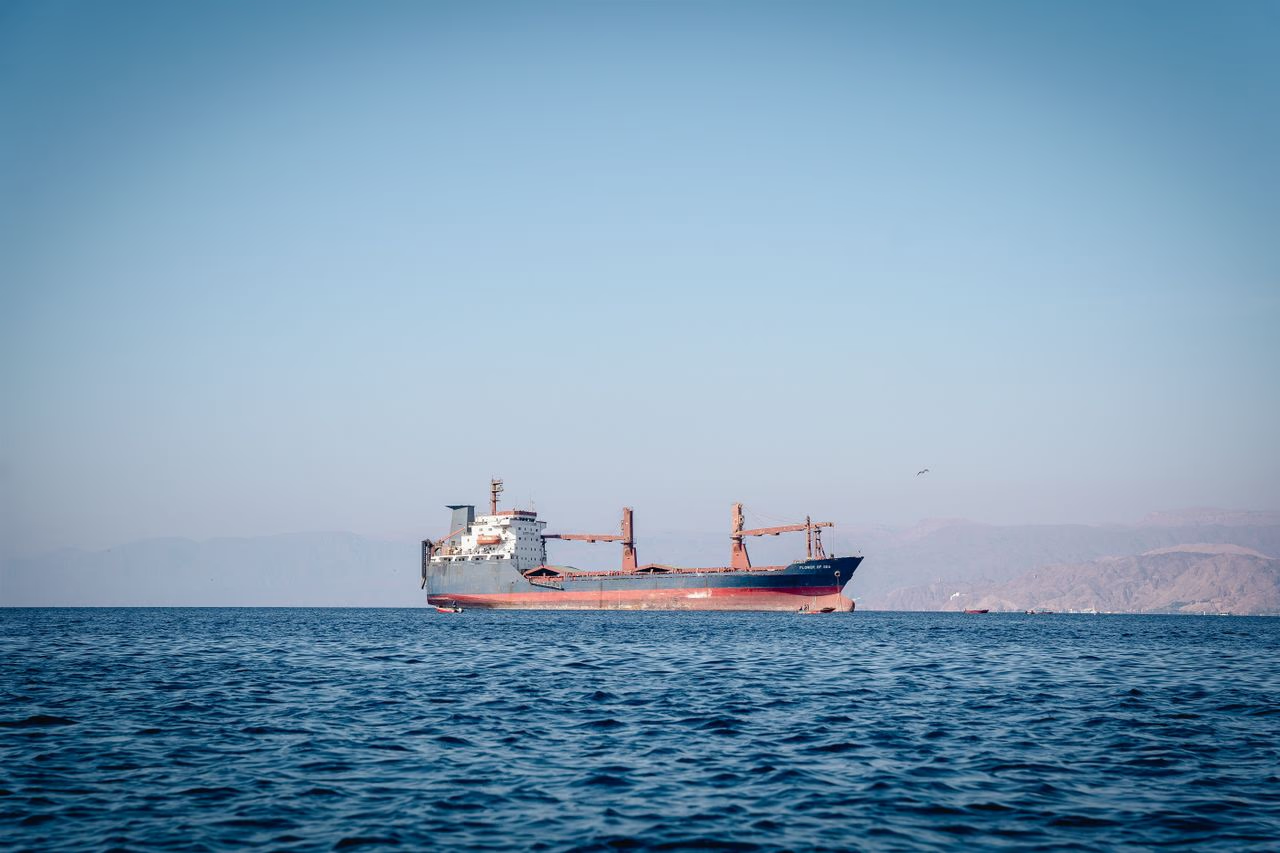
Throughout the period of heightened tensions, vessels operating within the Gulf region have faced uncertainty as security concerns, route disruptions and rising operational costs affected normal trading patterns.
For crews onboard, however, access to essential provisions, fresh water, safety equipment and welfare support remained critical.
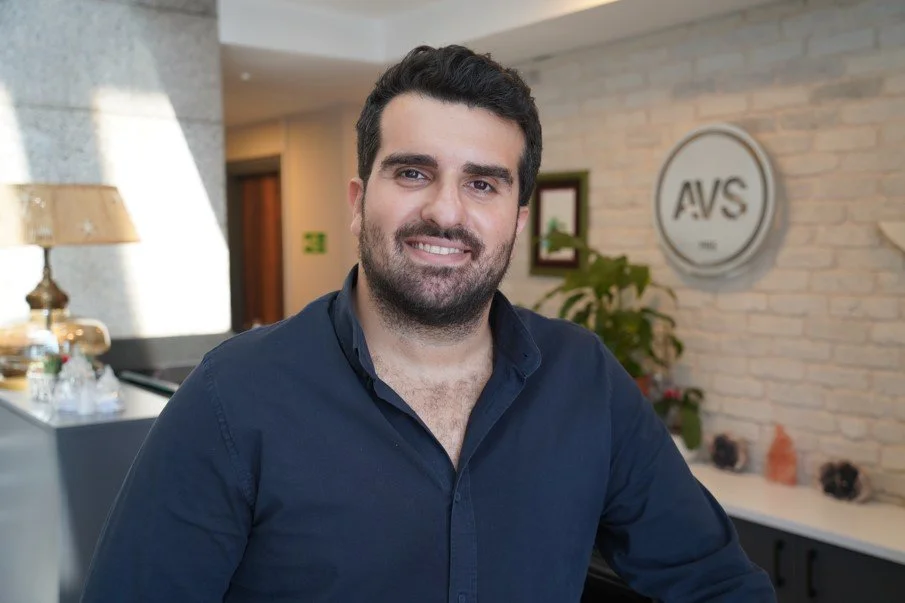
Doğukan Şimşek, General Manager for AVS Global Ship Supply, says everybody has been talking about cargoes, vessels and commercial impacts, but the people most affected by these disruptions are often the crews onboard.
“While it is encouraging to see tensions easing, the recent situation has reminded the industry how dependent global trade is on seafarers and why their welfare must never be overlooked. The most important thing is ensuring that seafarers’ fundamental needs are met.”
The executive pointed out that whether tensions are rising or easing, crews still need food, clean water, protective equipment and support. “Recent events have shown how important it is for the industry to have robust systems in place to ensure seafarers are looked after during times of uncertainty.”
AVS Global Ship Supply’s established relationships with experienced local suppliers have helped minimise major disruptions despite heightened regional tensions, with most challenges relating to delays, rising costs and the sourcing of specialist items rather than shortages of essential provisions.
Şimşek said they remained in close contact with their suppliers throughout the situation. “Our local suppliers and vendors are highly experienced and professional, and vessels continue to access the essential provisions they need.”
He highlighted that taking care of crews is not just about supplying food. “It is also about ensuring seafarers feel supported and connected during difficult times. Recent events have reinforced the importance of putting people at the centre of our response. The industry has a responsibility to ensure seafarers have the resources and support they need, whatever challenges arise.”
Proactive Approach
Marinos Kokkinis from OneCare Group, Simona Toma from Columbia Group or Hitesh Vyas from Wiraana Shipping's
Marinos Kokkinis, CEO of OneCare Group, acknowledged that seafarers are at the intersection of geopolitical uncertainty and rapid technological change. This makes their role more demanding than ever.
“Beyond operational safety, the industry must adopt a proactive approach to healthcare, wellbeing, and continuous development, ensuring crews are mentally fit, physically supported, and equipped to adapt.
“The most impactful change would be the global adoption of a proactive, preventive healthcare and wellbeing framework on board, supported by continuous learning and development. Rather than reacting to incidents or illnesses, this model focuses on early intervention, fatigue management, mental health support, and ongoing training. Integrating digital health monitoring, telemedicine, and structured development programmes ensures that seafarers remain fit, engaged, and capable of handling modern operational complexities, ultimately improving both safety outcomes and crew retention.”
Simona Toma, Chief of Maritime HR at Columbia Group, believes that true resilience means giving them better protection, better information, stronger shore support, proper training, reliable communication means, and confidence that the industry stands behind them.
“Seafarers are showing extraordinary professionalism. The industry must stay behind them and match this professionalism with action.”
Holistic Support
Ronald Spithout, Managing Director, OneHealth by VIKAND, highlighted that crew healthcare should be recognised as a core part of vessel safety. “If crew healthcare is only discussed as wellbeing, welfare or support, it can sometimes be treated as separate from the operational side of the vessel. Companies may care about it, but unless it is measured and reviewed, it does not always receive the same level of attention, training, budgeting or leadership accountability as other safety risks.”
Hitesh Vyas, Vice President Middle East at Wirana Shipping, said safety, welfare, and dignity must remain a shared responsibility across the industry. “As someone who has spent decades supporting ships, crews and Masters through challenging voyages, I would add one simple message: ships may become smarter, but the heart of shipping will always be the people who sail them. Technology can guide a vessel, but it is the seafarer who carries the world forward.”
Original Sources
SeaNews
Visit Source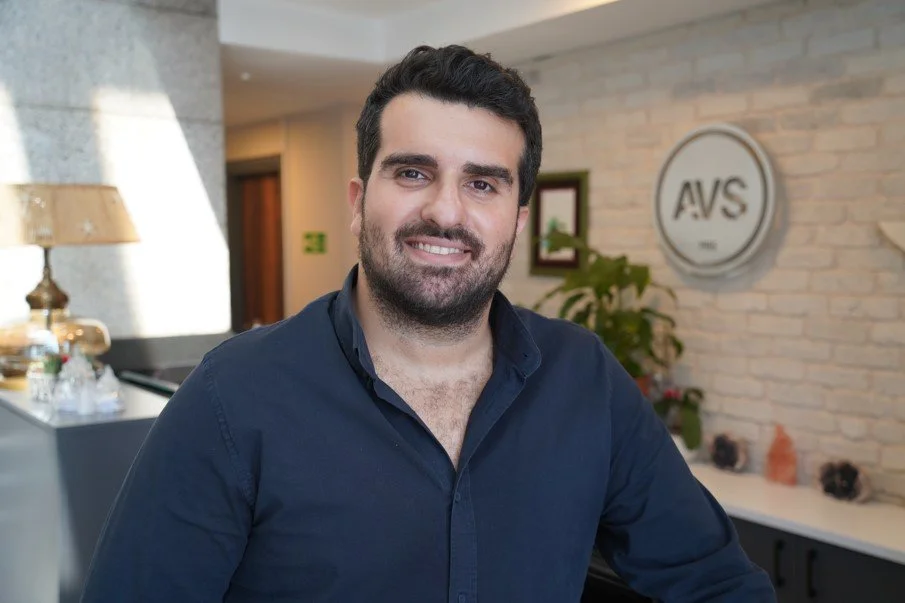

Contact Us